
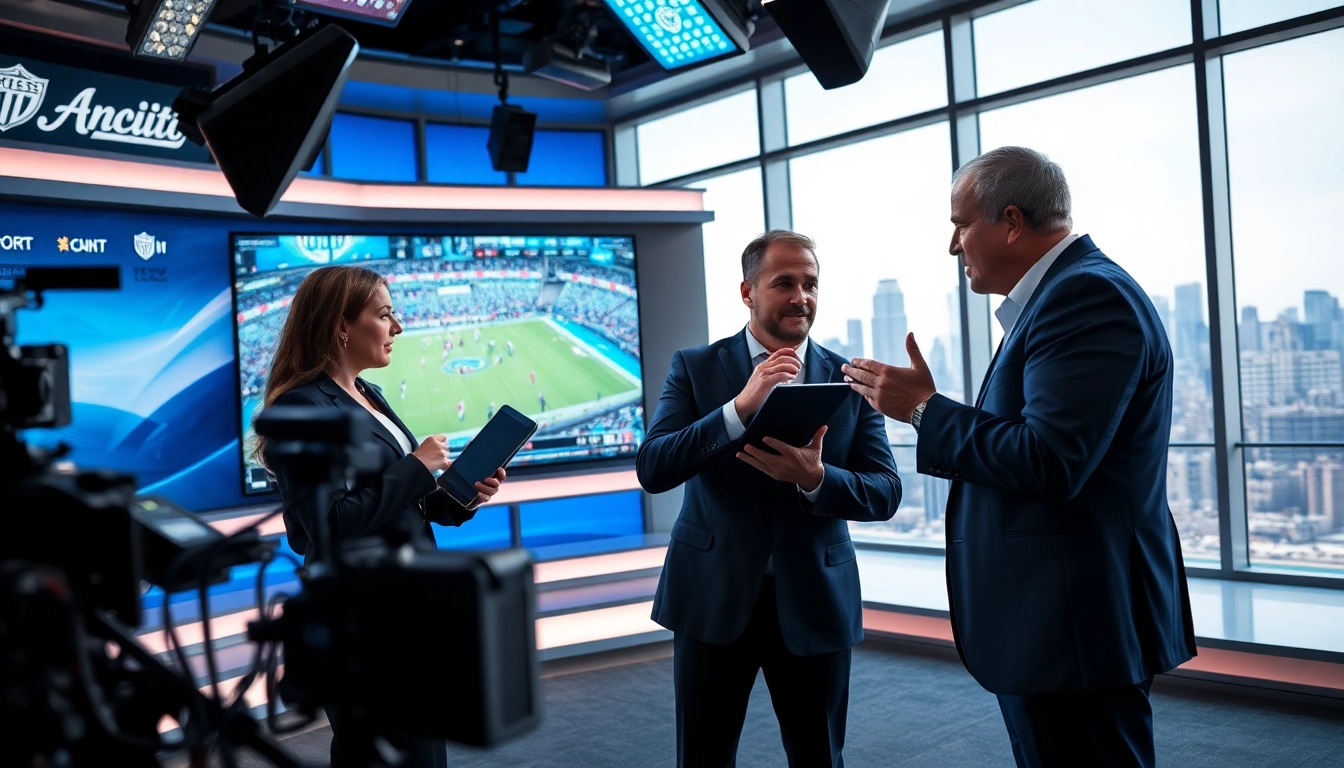
Understanding Sports Broadcasting Fundamentals
The Role of Sports Broadcasting in Modern Media
Sports broadcasting plays a pivotal role in the landscape of modern media, serving as a bridge between athletic events and the audience. It extends beyond mere coverage of games; it creates a shared experience for audiences, transcending geographical barriers. With evolving viewer preferences, content formats, and technological advancements, Sports Broadcasting becomes an essential channel through which fans engage with their favorite sports, teams, and athletes. Through an array of platforms, sports broadcasters provide timely information, analyses, and highlights, enhancing the overall spectator experience and fostering community among fans worldwide.
Key Technologies Driving Sports Broadcasting
The advancements in technology have significantly transformed the sports broadcasting landscape. With tools such as high-definition (HD) and 4K video technology, broadcasters offer viewers an immersive viewing experience. Innovations in graphics and data visualization allow audiences to understand complex statistics in real time, while seamless streaming services enable accessibility across devices. Additionally, artificial intelligence (AI) has begun to play a crucial role, from delivering personalized viewer experiences to optimizing broadcast schedules and enhancing viewer interactivity.
Essential Skills for Sports Broadcasters
To thrive in the competitive realm of sports broadcasting, individuals must cultivate a diverse skill set. Effective communication is paramount; sports broadcasters need to convey information clearly and engagingly, whether in front of the camera or behind the scenes. A deep understanding of sports—knowledge of rules, player stats, and historical contexts—is vital for credibility. Furthermore, storytelling is an essential skill that enables broadcasters to connect emotionally with viewers. Technical proficiency in using broadcasting equipment and software is also crucial, as it ensures smooth production processes during live events.
The Evolution of Sports Broadcasting
Historical Milestones in Sports Broadcasting
The history of sports broadcasting is rich with pioneering moments that have shaped today’s industry. It began with radio broadcasts in the early 20th century, allowing fans to follow events from afar. The introduction of television in the 1950s revolutionized sports viewership, bringing games into people’s living rooms and increasing spectator engagement. Landmark events, such as the Super Bowl and the World Cup, highlighted the capacity of sports broadcasting to draw massive audiences, leading to the widespread adoption of sports franchises and significant revenue opportunities through advertising partnerships.
Transformations with Digital Platforms
The digital revolution has transformed how sports content is created and consumed. The emergence of streaming services such as ESPN+ and DAZN provides viewers with flexibility, allowing them to watch live events on demand. Social media platforms have also become essential for real-time updates and fan interaction. Highlights are now shared instantly across platforms, enhancing viewer engagement and creating a new standard for immediate access to sports content. Traditional broadcasting now coexists with these digital platforms, which cater to the evolving needs of sports audiences.
Trends Shaping the Future of Sports Broadcasting
Several exciting trends are shaping the future of sports broadcasting. Virtual reality (VR) technology offers immersive experiences for fans, enabling them to feel as if they are part of the event. Interactive broadcasts that allow viewers to choose camera angles or receive personalized commentary are gaining popularity, enhancing viewer involvement. Additionally, the integration of data analytics offers deeper insights into player performances and game strategies, creating enriched viewing experiences. Catering to generational shifts in audience preferences will continue to drive innovations within the industry.
Best Practices in Sports Broadcasting
Production Techniques for Engaging Content
High-quality production is a hallmark of engaging sports broadcasts. This begins with meticulous planning—producers must outline the broadcast format, including camera placements, graphics, and sound design. Implementing multi-camera angles provides varied perspectives and enhances storytelling. Moreover, using pre-recorded segments, expert interviews, and behind-the-scenes features can add richness to live broadcasts. An emphasis on clear graphics and up-to-date statistics keeps the audience informed and engaged.
Effective Storytelling in Sports Broadcasting
Storytelling is at the heart of captivating sports broadcasting. Broadcasters must weave narratives that resonate with fans, highlighting key players and their journeys or building tension around rivalries. Techniques such as using historical context, player interviews, and audience engagement through social media can enhance narrative depth. Creating a compelling arc during the broadcast helps maintain viewership and can convert casual spectators into loyal fans. Ultimately, the ability to draw viewers into the narrative strengthens the bond between them and the sport itself.
Maintaining Audience Engagement and Interaction
Engagement strategies are crucial for retaining viewers in a crowded broadcasting landscape. Live polling, fan questions, and interactive segments can bridge the gap between broadcasters and their audience. Utilizing social media platforms to share content and foster dialogue enhances the viewer experience, facilitating a two-way conversation. Offering interactive applications that allow fans to track stats or participate in predictions adds additional layers of engagement. Understanding audience preferences and responding accordingly is vital for ongoing success in sports broadcasting.
Challenges in Sports Broadcasting
Addressing Technical Issues During Live Events
Technical difficulties during live broadcasts pose significant challenges for sports broadcasters. These can range from equipment malfunctions to unexpected disruptions in streaming services. To mitigate these issues, broadcasters must invest in robust technological infrastructures and conduct thorough pre-broadcast checks. Training team members to manage potential crises effectively and having backup plans ready can ensure the broadcast continues smoothly despite challenges. Regular testing and evaluation of equipment will improve reliability during crucial moments.
Balancing Commercial Interests and Viewer Experience
Finding a balance between commercial interests and viewer enjoyment is a frequent concern in sports broadcasting. While advertisements and sponsorships provide essential revenue, excessive interruptions can frustrate audiences. Developing creative advertising solutions such as integrated sponsorships or short ad breaks can help maintain viewer satisfaction while meeting commercial goals. Engaging with the audience for feedback can provide vital insights into their preferences, guiding broadcasters to find a more harmonious balance.
Navigating Legal Regulations in Sports Broadcasting
Legal considerations in sports broadcasting can be intricate, given the varying regulations across regions and platforms. From copyright issues to broadcasting rights, sports broadcasters must navigate a challenging legal landscape. Staying informed about changes in legislation and forming relationships with legal experts can aid broadcasters in compliance and protect their operations. Educating staff about legal obligations ensures that production teams remain aware of important law implications during broadcasting processes.
FAQs about Sports Broadcasting
What is sports broadcasting?
Sports broadcasting involves the live coverage and discussion of sporting events across various platforms.
What skills are essential for a sports broadcaster?
Key skills include communication, storytelling, in-depth sports knowledge, and technical proficiency.
How has technology changed sports broadcasting?
Technology has enhanced sports broadcasting through improved graphics, AI analytics, and streaming capabilities.
What are common challenges faced in sports broadcasting?
Challenges include technical glitches, audience engagement, and regulatory compliance in various regions.
What future trends are emerging in sports broadcasting?
Future trends include virtual reality experiences, interactive broadcasts, and personalized viewing options.